The Psychology Behind Late Night Impulse Buys
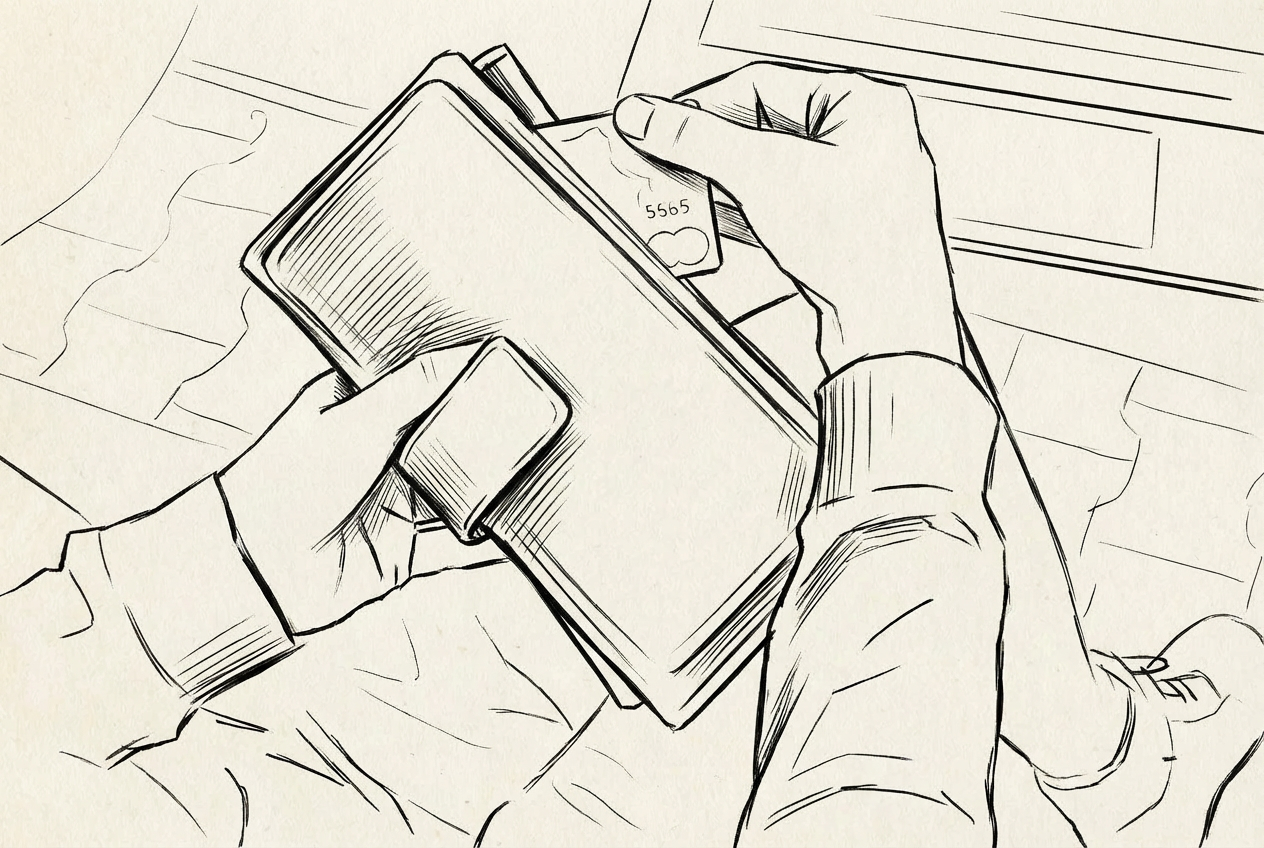
I’m lying in bed, not planning to buy anything, just scrolling for a minute.
A few taps later, I’ve placed an order I wasn’t thinking about ten minutes ago.
I absolutely must have this shirt.
It arrives a few days later, and I don’t even remember buying it…
It rarely happens at 10 in the morning.
Late night purchases have a very specific atmosphere. The house is quiet. Your day is finally over. You open your phone for a minute just to check something and somehow you are looking at a product you did not know existed fifteen minutes ago. You are not exactly excited. You are also not carefully comparing options. You are just leaning toward buying it.
You add it to the cart. You hesitate for a second but the hesitation does not last. The price does not feel quite real and neither does tomorrow morning. The button says Place Order and before you think much more about it you tap. The problem arrives the next day. In the morning the purchase feels strangely different. The item looks less necessary. Sometimes you do not even remember the exact reasoning you had a few hours earlier. This is not a willpower issue. It is a timing issue.
Your brain makes different decisions at night
By the end of the day your mind is not working with the same resources it had in the afternoon. All day long you have been making decisions about what to respond to what to prioritize what to ignore and how to behave with other people. Each one uses a small amount of mental energy. By late evening that system is tired. Psychologists often call this decision fatigue. Your brain becomes less interested in careful evaluation and more interested in relief. Online shopping provides exactly that. It offers a simple concrete action that feels like closure after a day of unfinished tasks. You do not have to plan negotiate or think about other people. You just decide. Buying something feels like finishing something.
Why the purchase makes sense at the time
You may notice that late night purchases often feel unusually justified while you are making them. You can quickly think of reasons the item is useful practical or overdue. Your brain is not carefully weighing the product. It is reducing friction. In the evening the mind favors immediate rewards over future outcomes. The inconvenience of spending money tomorrow is abstract. The small emotional lift right now is immediate. So the decision your brain evaluates becomes a small reward now versus a distant cost later. Your brain consistently discounts the later cost.
Why it feels confusing in the morning
Morning thinking is different. After sleep your planning system is reset. The same purchase now gets evaluated in a broader context including budget storage space and actual need. The reasons that felt compelling at night do not disappear but they shrink. You are no longer trying to end the day. You are trying to organize the next one. So the purchase feels like it was made by a slightly different version of you. In a sense it was.
Signs you are in the pattern
You might recognize this if you:
- shop mostly after 9 or 10 pm
- feel a burst of certainty right before buying
- rarely regret purchases made earlier in the day
- forget items you ordered until shipping notifications arrive
- feel motivated to organize your life while shopping instead of during the day
The shopping is not random. It happens at the moment your brain wants closure not evaluation.
Why just using self control does not help
By the time you are deciding the conditions are already set against you. You are tired. The product is easy to buy. The payment is frictionless. You are alone which removes the social feedback that usually slows decisions. Trying to rely on willpower at that point is like trying to diet while standing in a bakery. The environment is doing most of the work. The solution is not resisting harder. It is deciding earlier.
What actually helps
The most reliable fix is simple. Move the decision into tomorrow. Instead of asking yourself whether to buy the item make a rule that you never complete purchases at night. Add items to a cart or a list but only check out the next day. This changes the decision completely. In the morning your brain evaluates usefulness rather than relief. Many items will no longer feel necessary once the immediate emotional benefit is gone. Some people also add small delays such as removing saved payment methods requiring a password or keeping a written list to review later. These are not punishments. They create a pause long enough for reflective thinking to return. You are not forbidding the purchase. You are changing when the decision happens.
The larger pattern
Late night shopping works because it solves a feeling not a problem. It closes the day. It creates a sense of completion. It offers a small certain reward when the day contained too many unfinished things. Buying something rarely fixes what caused the urge in the first place. It simply gives the mind a quick way to feel done. Once you notice that the behavior becomes easier to interrupt. You do not need to argue with yourself about the product. You only need to delay the decision until the version of you making it has enough energy to choose deliberately.
Tools and Tips
Awareness is the first step, and this article provided a few strategies to get you started. Here are a few additional things I’ve found that really help:
Books:
If you’re still insisting on buying something, but you want it to be more useful than that shirt you won’t wear, this is a highly rated book by Dr. Kelly McGonigal with some great tools about willpower. It’s science-backed and an easy read.
Kindle Paperwhite
Get off your phone and start reading (maybe even the above book!). Build this as your nightly habit instead of doomscrolling and shopping.
This post contains affiliate links. If you purchase something I recommend I may earn a small commission at no cost to you.”

