The Psychology of Conflict Avoidance
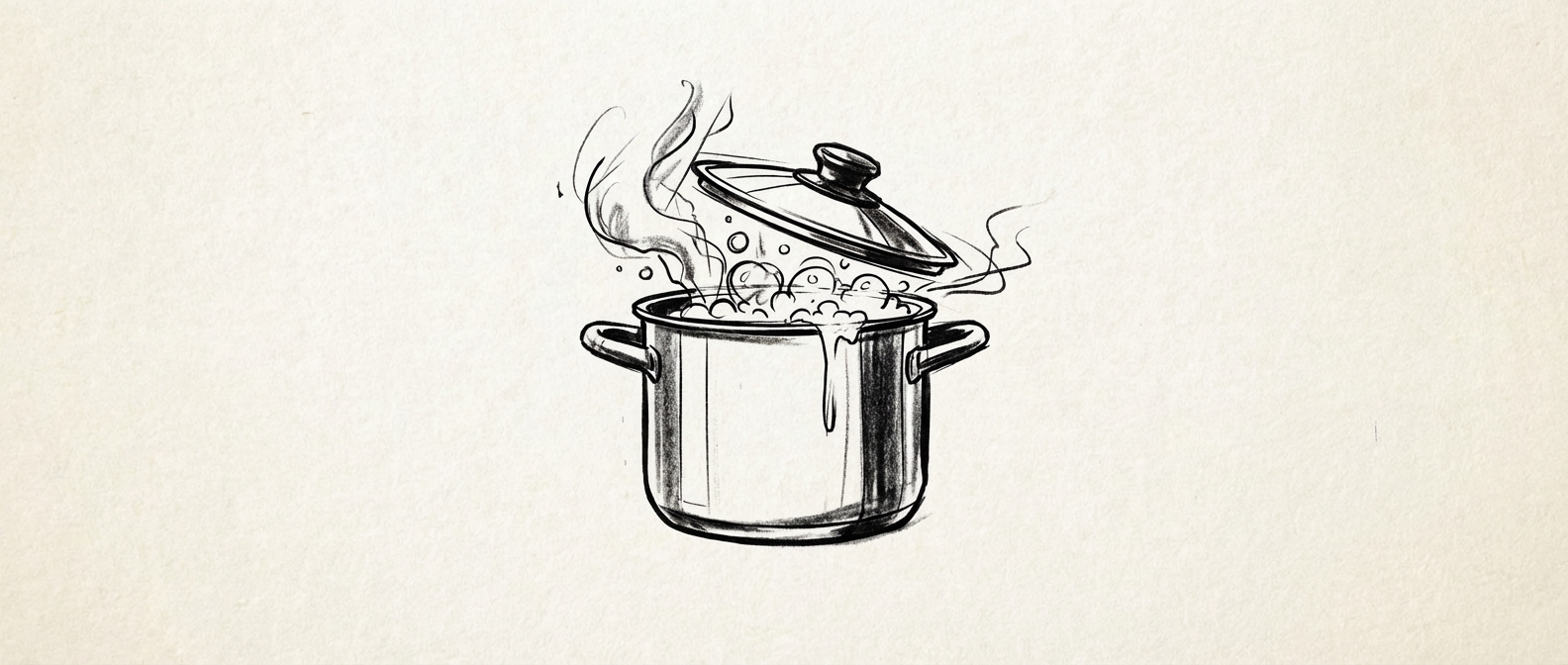
Today, someone made a small comment that hit just a little wrong.
Nothing worth turning into a whole thing.
I said “it’s fine” to avoid making things awkward, and it worked.
Nothing was awkward.
Except the part where I stayed irritated for the rest of the day…
Is it really “fine”?
It usually happens quickly. Someone makes a comment that lands slightly wrong, a plan changes in a way that inconveniences you, or a request feels heavier than you expected. You notice the irritation or disappointment for a moment, and then you hear yourself say, “It’s fine.” The conversation moves on, but the feeling does not. Saying it is fine often ends the interaction, yet it does not resolve the emotion. The discomfort goes quiet, not away.
The desire to keep things smooth
Most people are motivated to maintain social harmony because conflict introduces uncertainty and risk, and even mild disagreement can feel destabilizing. Psychologists sometimes describe this as impression management, the tendency to regulate our behavior to preserve how others see us. Saying “it’s fine” protects the image of being easygoing, cooperative, and low maintenance, and in the moment that protection feels safer than voicing frustration.
The cost of small suppressions
When you suppress a reaction, you are not eliminating it. You are postponing it. Emotional suppression has been widely studied in psychology and is associated with increased physiological stress and lingering rumination because the body registers what the mouth does not say. Small suppressions accumulate over time. One instance feels manageable, but repeated instances create resentment that seems larger than the individual moments that caused it.
Why it feels easier to minimize
Minimizing a reaction reduces immediate discomfort because if you acknowledge that something bothered you, you may need to explain it, defend it, or negotiate a change, which requires effort and vulnerability. By declaring it fine, you avoid that effort. This pattern is often connected to conflict avoidance, a tendency to prioritize short term calm over long term clarity. The brain calculates that the immediate relief of ending the tension outweighs the potential benefit of addressing it.
The identity of being “easy”
For some people, being agreeable becomes part of their identity. You may see yourself as flexible, adaptable, or unbothered, and admitting that something upset you can feel inconsistent with that self image. So you override the reaction to preserve the identity, and over time this creates a gap between how you appear and how you actually feel.
When “fine” becomes friction
If you frequently say it is fine when it is not, certain patterns begin to appear. You might feel misunderstood without being able to point to a specific conversation, replay interactions in your head and imagine what you could have said, or notice irritation surfacing later in unrelated situations. The original moment passed, but the unspoken reaction remains active.
What actually helps
The alternative to “it’s fine” does not need to be confrontation; it can be clarification. Instead of minimizing, you can name the reaction simply and directly by saying something like “That caught me off guard,” “I need a minute to think about that,” or “I would prefer something different.” The goal is not escalation but alignment between what you feel and what you say, because even small acknowledgments prevent emotional buildup.
A different way to think about harmony
True harmony is not the absence of friction. It is the presence of honesty. Saying “it’s fine” when it is not may preserve smoothness in the moment, but it often creates distance later. When you allow yourself to express mild discomfort calmly and early, you reduce the need for larger reactions later. The conversation may take slightly longer, but the internal loop closes. Being clear is not the opposite of being kind. Often, it is a more durable version of it.

