The Psychology Behind Guilt and People Pleasing
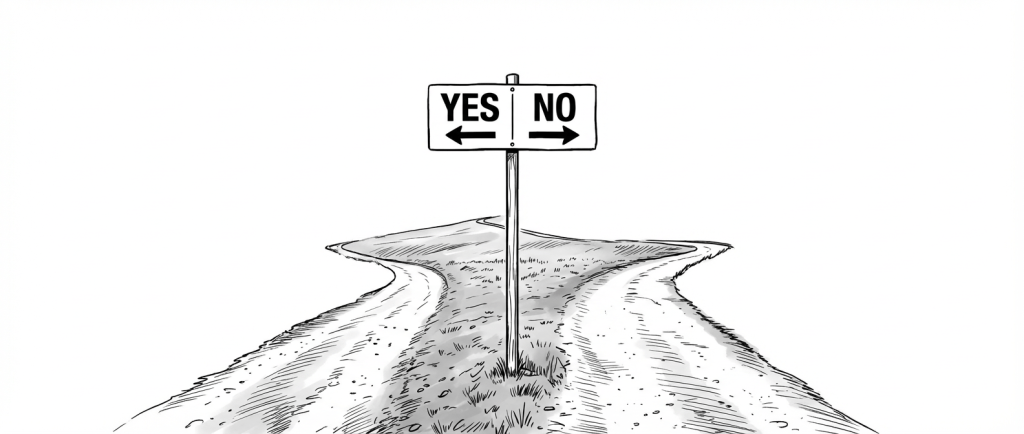
A good friend of mine invited me to come visit next weekend, and I know it’s going to be a heavy week for me.
I hear myself say yes before I’ve really thought it through.
I’m already thinking of excuses to cancel…
You probably didn’t plan to agree….
Someone asked you for something — a meeting, a favor, help with a project, plans this weekend — and before you really checked your calendar or your energy level, you heard yourself say, “Sure.” In the moment, it didn’t even feel wrong. It felt normal. Polite, even. The problem showed up a minute later. Why did I say yes to that? Later that day you were already rearranging your week in your head. By the next morning you were hoping it might get canceled. And at some point you probably told yourself a familiar sentence: “I need better boundaries.” But most of the time this isn’t actually a boundaries issue. It’s a prediction error.
What your brain thought you were protecting
When someone asks you for something, your brain isn’t mainly deciding whether you want to do it. It’s deciding what might happen if you refuse. Humans are extremely sensitive to signs of social rejection. For most of our history, being excluded from a group wasn’t just uncomfortable — it was dangerous. Your brain still reacts to small modern interactions (declining an invitation, pushing back at work, saying no to a request) as if they carry much larger consequences than they actually do. So in a split second, your mind runs a quiet calculation:
Saying yes costs time later.
Saying no risks awkwardness right now.
Your brain removes the immediate tension.
You experience that as being nice.
Your brain experiences it as staying safe.
Why you answer so quickly
You may notice these moments happen fast. You rarely pause and think for thirty seconds before agreeing. That’s not a personality trait. It’s situational pressure. A request creates a small social imbalance. Silence feels uncomfortable to both people, and your brain interprets that discomfort as a problem that needs fixing. Agreement fixes it instantly. So the decision happens before your reflective thinking catches up. You didn’t carefully evaluate the request — you ended the tension. The regret appears later, when you’re alone and your planning brain finally gets involved.
Signs this is happening to you
You might recognize this pattern if you:
- respond immediately to requests
- feel relief when plans cancel
- agree and then feel irritated with yourself
- tell yourself you “should be able to handle it”
- mentally renegotiate your schedule after the conversation ends
None of these mean you’re weak or passive. They mean your brain prioritized social harmony over future workload. The uncomfortable part: most people around you are doing the same thing.
Why “be more assertive” doesn’t fix it
Advice about boundaries assumes you’re making a conscious choice you can override with confidence. But the decision is being made too early for willpower to help. By the time you realize you didn’t want to commit, the conversation is already over. So the solution isn’t courage. It’s timing.
What actually works
Instead of trying to say no more often, change when you decide. Give yourself a default rule: you don’t accept requests immediately. You’re not refusing — you’re pausing.
Simple phrases are enough:
“Let me check my schedule.”
“I want to make sure I can do that properly.”
“I’ll get back to you this afternoon.”
This moves the decision out of the social moment and into a private one. Once you’re alone, the imagined social risk drops dramatically and your judgment becomes clearer. Now you can answer the real question: Do I want to spend my time this way? People are often surprised by what happens next. They decline more requests than expected — and the relationships they were worried about usually remain unchanged. Most requests are flexible. Many people appreciate a thoughtful answer more than an automatic yes.
A different goal
The goal isn’t to become someone who says no constantly. The goal is to become someone who decides before speaking. Agreement made under pressure feels helpful in the moment but expensive later. A brief pause protects your time and your relationships because it replaces automatic reactions with deliberate choices. You weren’t failing at boundaries. You were reacting to a very old social instinct. Once you see the pattern, you can interrupt it — not by becoming colder, but by giving yourself a moment to think before answering.

