The Psychology Behind Micro-Procrastination
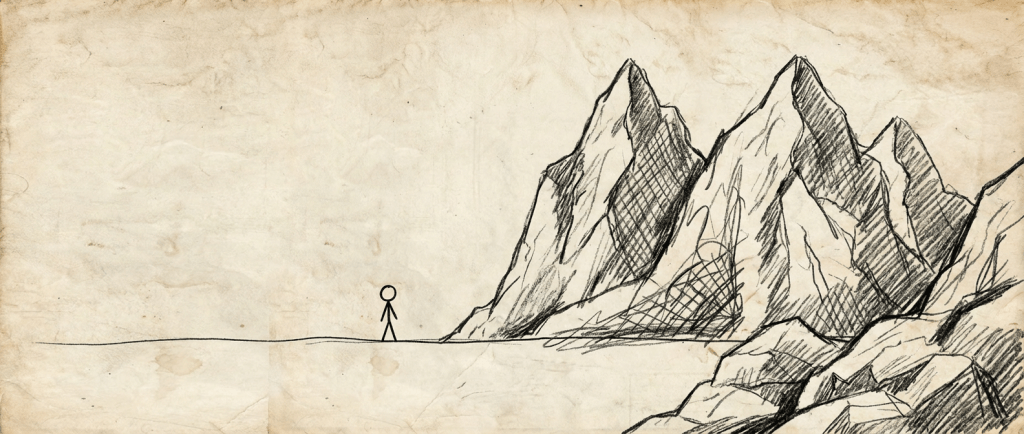
There’s a small task I’ve been carrying around in my head all week.
It would be faster to do it than to keep thinking about it, but somehow I haven’t started.
I just can’t make myself do it…
Why do small tasks feel like mountains to climb?
You might delay a complicated project, but that makes sense. What tends to illogically linger are the small things. Replying to one email. Scheduling an appointment. Returning a form. Putting something away that would take less than five minutes. You think about doing it many times. Sometimes every day. You even want it done. You would feel better once it is finished. Yet the task stays there, moving from today to tomorrow and then to next week. Eventually it becomes strangely heavier than it should be. This does not happen because the task is difficult. It happens because of how your brain evaluates unfinished things.
The hidden cost of starting
When you look at a small task, your brain is not only evaluating the time required. It is predicting the mental effort needed to begin. Starting an activity requires switching attention. You have to stop what you are currently doing, gather context, remember details, and commit your focus. That mental shift feels larger than the task itself. So your brain performs a quick calculation. Do I want to interrupt what I am doing right now? If the answer is no, the task is postponed. The task itself is small, but the interruption feels large.
Why thinking about it makes it worse
Each time you notice the unfinished task, your mind reacts again. You remind yourself to do it later. But instead of disappearing, the task becomes more mentally charged. Your brain treats unfinished actions as open loops. The mind keeps bringing them back to your attention because it expects completion. Psychologists sometimes call this the Zeigarnik effect. Incomplete tasks stay active in memory. So now the task carries two weights. The practical effort and the mental reminder. The longer it stays unfinished, the more pressure it creates. And pressure makes starting harder.
Why you delay even when you want it done
This is the confusing part. You are not avoiding the task because you dislike the outcome. You are avoiding the moment of activation. Beginning requires a small burst of energy. When your attention is already engaged elsewhere, your brain prefers to continue the current activity rather than pay the cost of switching. So you choose a familiar thought. I will do it later. Later feels easier because you imagine a future moment with more energy and fewer interruptions. But when later arrives, the same decision repeats. The task is not competing with your schedule. It is competing with whatever has your attention at that exact moment.
Signs you are in this pattern
You may notice this if you:
- repeatedly postpone tasks that take only a few minutes
- think about the task often but rarely start it
- feel relief when you finally complete it
- move the task to a new day
- spend more time thinking about the task than doing it
Why motivation does not fix it
Waiting to feel motivated seems logical, but motivation usually follows action rather than precedes it. Your brain expects a clear starting point before it releases attention and energy. Without a defined first step, the task feels vague. Vague tasks are easy to delay because they do not have a visible beginning. So you keep postponing, not because you lack discipline, but because the starting point remains undefined.
What actually helps
The solution is not forcing yourself to finish the task. It is making the start extremely small. Instead of planning to complete the task, plan only the first physical action. Open the email. Find the phone number. Place the document on the desk. When the first step is concrete and immediate, your brain does not need to evaluate the whole task. It only needs to begin. Once you start, attention naturally continues. Another helpful change is choosing a specific moment rather than a general intention. Decide when you will begin, not just that you will. For example, after breakfast I will open the form. At 2 pm I will dial the number. You are not relying on motivation. You are creating a clear entry point.
The larger pattern
Small unfinished tasks become stressful not because they are large, but because they remain active in your mind. Each reminder asks your brain to decide again. Completion removes that repeated decision. The relief you feel afterward is not only satisfaction. It is the release of attention that was quietly being used to track the unfinished action. Procrastination in these cases is not laziness. It is a response to unclear starting points and attention switching costs. Once the first step becomes specific and immediate, the task stops competing with everything else in your day. You are not solving the entire task at once. You are simply beginning.

