Understanding Decision Fatigue
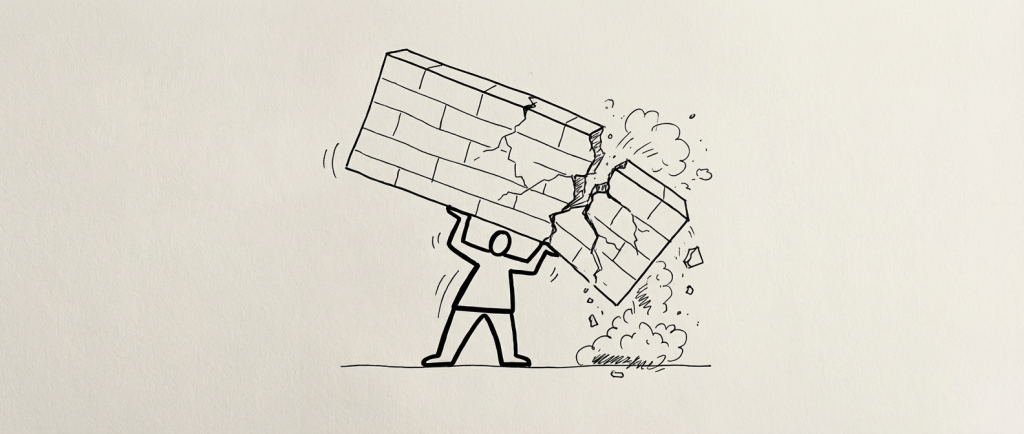
Almost every day, around dinner time, I stand in my kitchen staring at the fridge like it has personally wronged me.
Dinner feels like a decision I simply do not have the energy to make.
I just… can’t do it.
So I reorder something DoorDash and waste money on something I don’t really even want to eat.
How is something so simple such a hard thing to do?
Evening choices feel heavy
In the morning, choosing feels easy. You decide what to wear, what to eat, which message to answer first, and which task to start. By late afternoon, even minor choices feel heavier. What to cook feels complicated. Responding to a simple email feels draining. Deciding whether to go somewhere feels disproportionately difficult. The decisions themselves have not changed, but your capacity to make them has.
The accumulation effect
Every decision requires mental effort. Throughout the day you make hundreds of small judgments about priorities, responses, tone, timing, and self control. Most of them feel automatic, but they still draw from the same cognitive resources. Psychologists refer to this as decision fatigue, the gradual depletion of mental energy after extended periods of choice making. The more choices you make, the harder subsequent choices feel.
Why small decisions feel bigger later
By evening, your brain is no longer evaluating a decision in isolation. It is evaluating it on top of everything that came before it. Even a minor question such as what to eat or whether to answer a message requires initiating another mental shift. When cognitive resources are low, the threshold for effort rises. What felt neutral in the morning can feel overwhelming at night because your brain is conserving energy.
The illusion of laziness
When small decisions feel exhausting, it is easy to interpret the sensation as laziness or lack of discipline. But the feeling is often physiological rather than moral. Self control and decision making rely on executive functions that weaken with sustained use. As those functions tire, avoidance becomes more attractive. The brain shifts toward easier, default options not because you are incapable, but because it is efficient.
Default mode takes over
As mental energy declines, the brain increasingly relies on habits and defaults. This is why people are more likely to order the same meal, scroll automatically, or postpone tasks later in the day. Choosing requires energy. Repeating requires less. Status quo bias becomes stronger when cognitive capacity is lower because maintaining the current state demands less processing than initiating change.
Why this matters
Late day decision fatigue influences more than dinner plans. It affects spending choices, social commitments, and task initiation. A purchase that feels harmless at night might have felt unnecessary in the morning. A plan you agree to when tired might feel burdensome the next day. When cognitive resources are low, short term relief often wins over long term benefit.
What actually helps
Reducing evening decision strain requires moving important choices earlier in the day when possible. Plan meals, workouts, or priorities in advance rather than deciding in the moment. Limit unnecessary micro decisions by simplifying routines. Create defaults intentionally so that when energy is low, the automatic option aligns with your goals. The goal is not to eliminate decisions entirely but to protect your cognitive energy for the ones that matter.
A different way to interpret exhaustion
When small decisions feel unusually heavy, it does not necessarily mean the decision is complex. It may mean your mental resources are depleted. Recognizing decision fatigue allows you to respond strategically instead of self critically. Rather than forcing willpower at its weakest point, you design your environment so that fewer decisions are required when your energy is low. Exhaustion in the evening is not failure. It is a predictable pattern of cognitive use.

